How to Buy from Japan to Australia: The Complete Shopping & Shipping Guide
Whether you're searching for Japan-exclusive collectibles, beauty products, fashion, or electronics, buying from Japan has become much more accessible for Australian shoppers. However, not every Japanese store accepts international payments or offers direct shipping, and some products are subject to Australia's strict import and biosecurity regulations.
Before placing an order, it's important to understand where to shop, which products can be shipped, how long delivery takes, and what costs or customs requirements you may encounter. This guide explains everything you need to know to buy from Japan to Australia, along with practical tips to help you shop more confidently and avoid common mistakes.
Can You Buy Products directly from Japan to Australia?
Yes. Australian shoppers can legally buy and ship many products directly from Japan, including fashion, collectibles, beauty products, electronics, and household goods. With international shipping services and cross-border ecommerce becoming more accessible, ordering from Japanese stores is easier than ever.
However, buying directly isn't always as straightforward as it seems. Many Japanese retailers and marketplaces primarily serve domestic customers, meaning they may only accept Japanese payment methods, require a local shipping address, or simply not offer international delivery. In addition, Australia has strict customs and biosecurity regulations that restrict certain products from entering the country.
Whether you can successfully order from Japan depends on three main factors:
The retailer's shipping policy. Some Japanese stores ship directly to Australia, while others only deliver within Japan.
The type of product. Most consumer goods can be shipped internationally, but products such as fresh food, plants, hazardous materials, and certain cosmetics may be restricted.
Australian import requirements. Depending on the product, your shipment may be subject to customs inspections, GST, import duties, or biosecurity checks before it can be delivered.
Understanding these factors before you place an order can help you choose the right shopping method, avoid unexpected costs, and reduce the risk of shipping delays. In the following sections, we'll look at which products can be shipped, where to buy them, and the easiest ways to get Japanese products delivered to Australia.
What Can and Cannot Be Shipped from Japan to Australia?
Japan offers an enormous selection of products that are difficult to find elsewhere, but not every item can be shipped internationally. While most everyday consumer goods can be delivered to Australia, certain products are restricted by airline safety regulations or Australia's biosecurity and customs laws.
Before placing an order, it's worth checking whether your chosen item is eligible for international shipping.
Popular High-Demand Product Categories
Australian shoppers frequently purchase the following products from Japan because of their quality, authenticity, and exclusive availability:
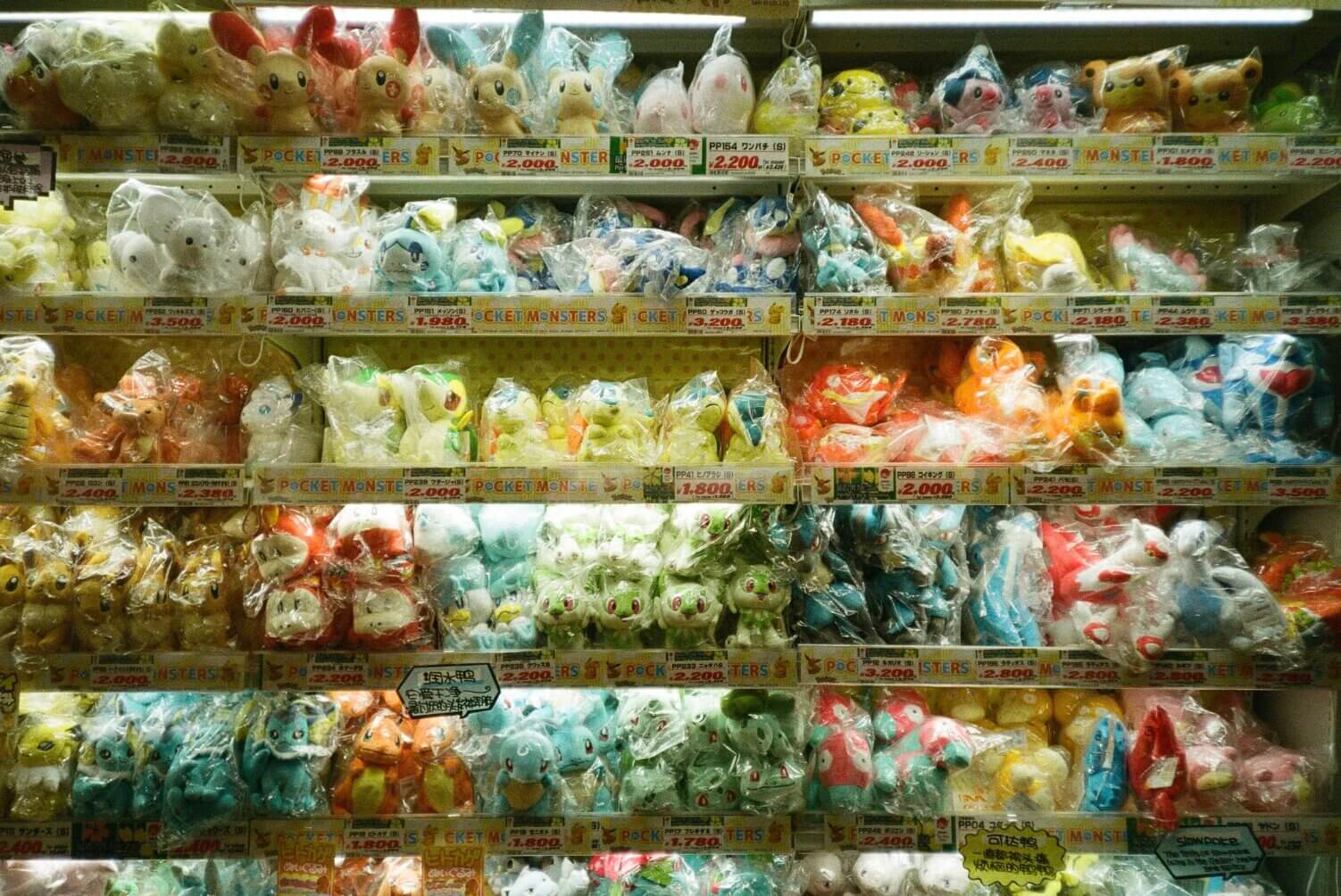
Anime & Collectibles: Limited-edition figures, Pokémon and Yu-Gi-Oh! trading cards, model kits, plush toys, and official character merchandise.
J-Beauty & Cosmetics: Japanese sunscreens, cleansing oils, facial masks, premium skincare sets, and salon-quality hair care products.
Japanese Fashion & Streetwear: Designer collaborations, Japanese denim, vintage luxury fashion, sneakers, bags, and accessories.

Stationery & Desktop Essentials: Mechanical pencils, fountain pens, notebooks, planners, stickers, washi tape, and other premium stationery loved by students and professionals.
Automotive & Hobby Parts: Genuine Japanese car parts, performance accessories, camera lenses, retro gaming consoles, and hobby collectibles.
Restricted and Prohibited Items (Australian Biosecurity & Customs Rules)
Australia has some of the world's strictest biosecurity regulations to protect its agriculture and environment. As a result, certain products may be restricted, require additional inspection, or be prohibited altogether.
Strictly Banned or Highly Restricted
The following items are commonly restricted or prohibited from entering Australia:
Fresh food and unprocessed agricultural products
Seeds, plants, bulbs, and soil
Raw or untreated wooden products
Certain animal products and untreated natural materials
These items may be confiscated or refused entry if they don't meet Australia's import requirements.
Hazardous Goods with Shipping Restrictions
Some products can be difficult or impossible to ship by air because they are classified as dangerous goods. Examples include:
Standalone lithium-ion batteries
Flammable liquids, such as perfumes and nail polish
Pressurized aerosol cans
Other hazardous chemicals or combustible materials
Shipping availability varies by carrier, destination, and packaging requirements. Before purchasing restricted items, always check both the seller's shipping policy and Australia's latest import regulations to avoid delays or rejected shipments.
Where to Buy Japanese Products Online from Australia
Finding the right place to shop is just as important as choosing the right product. While many Japanese retailers now accept international orders, others are designed exclusively for domestic customers. The best option depends on whether you're looking for brand-new releases, secondhand bargains, or rare Japan-exclusive items.
Official Brand & Retail Storefronts
Official online stores are the best choice if you're buying new products directly from Japanese brands. They're especially useful for limited-edition releases, seasonal collections, and the latest product launches.
Popular examples include official stores from brands such as Nintendo, Pokémon Center Japan, Shiseido, Muji, Uniqlo, and Panasonic.
Shopping directly from official retailers offers several advantages:
Guaranteed authentic products
Access to the newest releases and exclusive collections
Manufacturer warranties where applicable
Reliable customer service and after-sales support
However, many Japanese brand websites are intended for domestic customers. Some only accept Japanese-issued payment methods, while others require a local delivery address or simply don't offer international shipping.
Native Japanese Marketplaces
For the widest selection and the best prices, many Australians shop through Japan's largest online marketplaces. These platforms host thousands of independent sellers, making them ideal for finding everything from everyday products to rare collectibles.
Some of the most popular marketplaces include:
Rakuten: New products from official stores and independent retailers across almost every category.
Mercari: Japan's largest secondhand marketplace, known for collectibles, fashion, trading cards, and limited-edition items.
Yahoo! Shopping: A broad marketplace offering electronics, beauty products, home goods, and daily essentials.
Yahoo! Auctions: One of the best places to find discontinued products, vintage collectibles, luxury goods, and hard-to-find items.
Suruga-ya: A favorite destination for anime merchandise, manga, retro games, figures, and hobby collectibles.
These marketplaces often provide lower prices and a much larger product selection than international retailers. The trade-off is that many sellers only ship within Japan or don't support overseas payment methods. In these cases, shoppers may need to use a cross-border purchasing service to complete the order and arrange international delivery.
Step-by-Step Guide: How to Buy from Japan to Australia
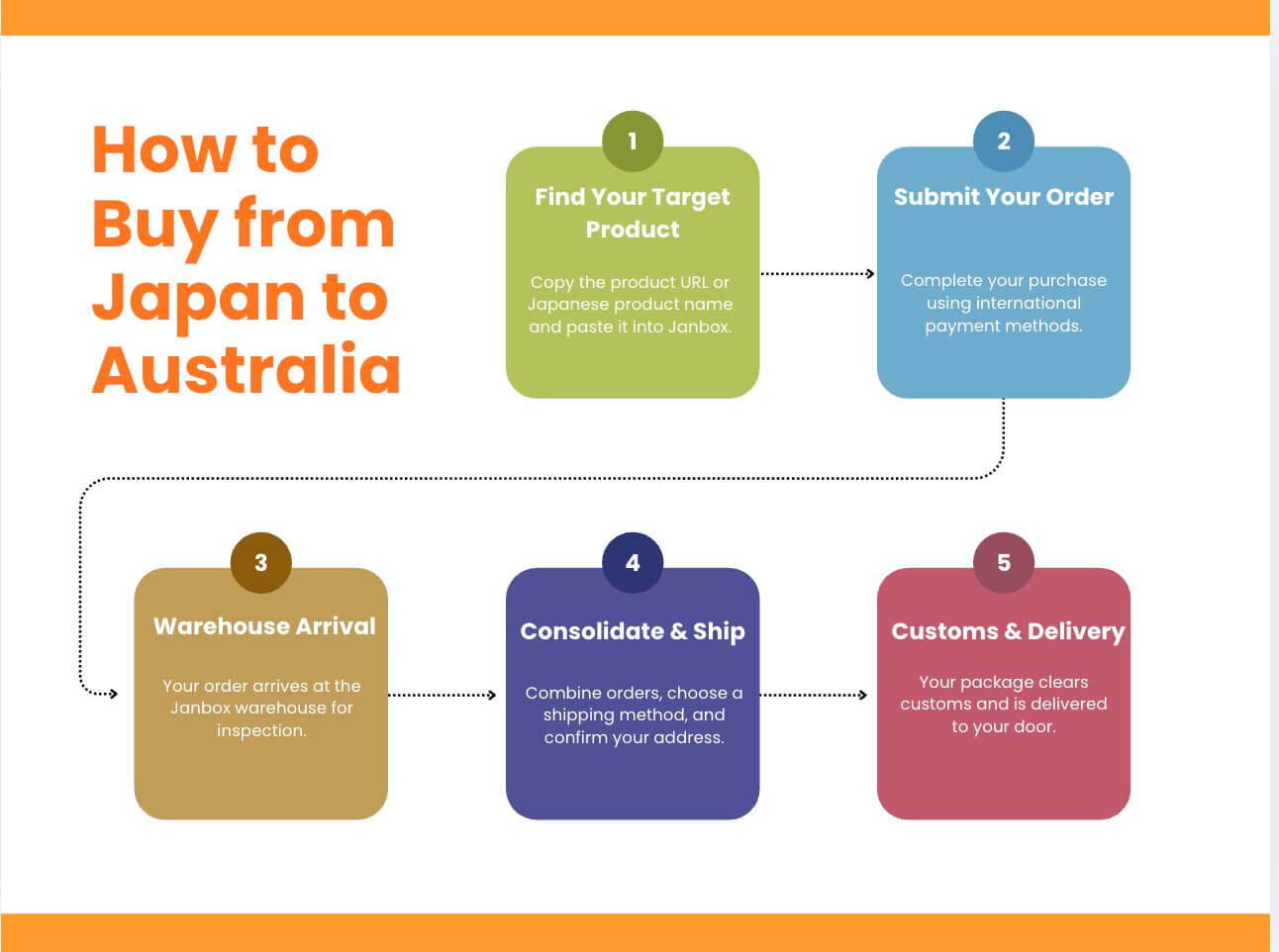
If the Japanese store ships directly to Australia, you can place your order as you would on any international ecommerce website. However, many popular Japanese marketplaces only serve domestic customers. In those cases, using a cross-border purchasing platform is often the easiest solution.
Step 1: Find Your Target Product
Start by searching for the product you want on Japanese marketplaces or official brand websites. If possible, copy the original Japanese product name or the product URL to improve search accuracy, especially when looking for limited editions, collectibles, or secondhand items.
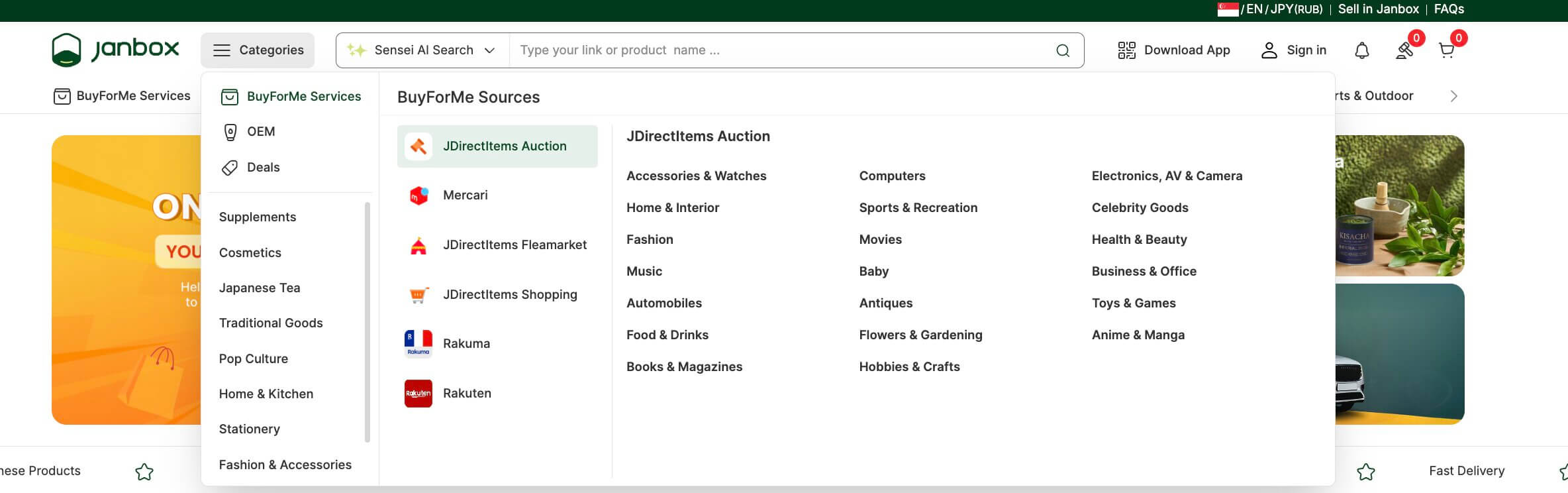
Paste the link directly into the Janbox search bar.
Step 2: Submit Order via Procurement Hub
If the seller doesn't support international shipping or overseas payment methods, submit your product link through a cross-border purchasing platform. You can complete your purchase using familiar payment options such as credit cards or PayPal without needing a Japanese-issued payment method.
Step 3: Warehouse Arrival & Quality Check
After the seller ships your order domestically, the package is delivered to a warehouse in Japan. Many cross-border services inspect the shipment upon arrival to confirm that the correct item has been received before it is prepared for international shipping.
Step 4: Consolidate Orders & Choose Your Shipping Method
If you've purchased items from multiple sellers, you can combine them into a single shipment to reduce international shipping costs. Then select the shipping carrier that best matches your budget and delivery timeline before entering your Australian shipping address.
Step 5: Customs Clearance & Home Delivery
Your package is exported from Japan, cleared through Australian customs, and delivered to your address. Depending on the shipment's value and contents, you may need to pay applicable GST, import duties, or customs processing fees before receiving your order.
How Janbox Streamlines Shipping from Japan to Australia
While buying directly from Japanese retailers works for some purchases, many local marketplaces don't accept international payment methods or ship overseas. That's where Janbox can simplify the entire buying process by acting as a bridge between Japanese sellers and international shoppers.
Access Multiple Japanese Marketplaces in One Place
Instead of visiting multiple websites individually, Janbox lets you shop across popular Japanese marketplaces, including Rakuten, Mercari, Yahoo! Shopping, Yahoo! Auctions, and Suruga-ya from a single account. This makes it easier to compare prices and discover products that aren't available through international retailers.
Pay with International Payment Methods
Many Japanese sellers only accept domestic payment methods. Janbox purchases items on your behalf, allowing you to pay securely using internationally supported payment options without worrying about foreign card rejections or Japanese checkout systems.
Free 45-Day Warehouse Storage
After your purchases arrive in Japan, Janbox stores them in its Tokyo warehouse for up to 45 days at no additional storage cost. This gives you plenty of time to continue shopping before arranging international shipping.
Consolidate Multiple Orders to Save on Shipping
If you've ordered from several different sellers, Janbox can combine your purchases into a single shipment. By removing unnecessary domestic packaging and shipping everything together, you can significantly reduce international shipping costs while simplifying customs processing.
Track Your Shipment from Japan to Australia
Once your package has been shipped, you can monitor its progress through international tracking. Janbox also assists with shipping documentation, helping your parcel move more smoothly through Australian customs before final delivery.
Navigating Australian Import Duties, Taxes, and GST
Understanding how Australian Border Force (ABF) and the Australian Taxation Office (ATO) treat international imports prevents unexpected fees or delivery delays when your package arrives in Australia. Import costs are determined by the total customs value of your shipment, the actual purchase price of the items converted to Australian Dollars (AUD), excluding international freight and insurance.
Low-Value Imports (AUD $1,000 or Less)
For shipments with a combined customs value of AUD $1,000 or less, Australia applies a simplified taxation framework:
Customs Duty: 0%. Low-value consignments enter duty-free under Australia's de minimis threshold.
Goods and Services Tax (GST): 10%. Under the Low Value Imported Goods (LVIG) rules, the 10% GST is calculated on the total delivered price (item cost + domestic/international shipping). For most cross-border proxy platforms and registered marketplaces, this tax is collected at online checkout.
Border Processing: No formal customs declaration or Import Processing Charge (IPC) is required, allowing parcels to clear customs rapidly.
High-Value Imports (Over AUD $1,000)
When a single shipment's total customs value exceeds AUD $1,000, it triggers a formal entry process at the Australian border:
Customs Duty: Standard customs duties apply, typically set at 5% of the item's customs value (depending on product classification under the Australian tariff code).
Import GST: A 10% GST is assessed at the border on the Value of Taxable Importation (VoTI). This formula combines: Taxable Import Value (VoTI) = Customs Value + Customs Duty + International Shipping + Insurance
Import Processing Charge (IPC): ABF levies a mandatory administrative fee to process a formal Import Declaration. For electronic declarations via air express, this fee ranges from AUD $50 to AUD $152 depending on total shipment value.
Key Tax Strategies for Cross-Border Buyers
Pro Tip: Keep your consolidated package value under AUD $1,000 whenever possible. Splitting or managing your shipments using warehouse storage lets you stay below the high-value threshold, saving you from paying the 5% import duty, formal clearance fees, and border processing delays.
How Long Does Shipping Take from Japan to Australia?
Shipping from Japan to Australia can take anywhere from 2 business days to 3 months, depending on the shipping method you choose. Faster services cost more but offer shorter transit times, while economy options are better suited for bulky or non-urgent shipments.
Shipping Method | Typical Delivery Time | Best For |
Air Express (DHL, FedEx, UPS) | 2 to 5 business days | Urgent deliveries, high-value items, and reliable tracking |
EMS (Japan Post Express Mail Service) | 3 to 7 business days | A balance of speed, affordability, and tracking |
Air Mail / ePacket | 7 to 14 business days | Lightweight, non-urgent parcels with lower shipping costs |
Surface Mail (Sea Freight) | 1 to 3 months | Heavy or bulky shipments where cost is more important than speed |
Keep in mind that these are estimated transit times and don't always reflect the total time from purchase to delivery. Your order may take longer if the seller needs additional processing time, multiple purchases are being consolidated before export, or Australian customs conducts inspections upon arrival.
If you're ordering time-sensitive items, such as limited-edition products or gifts, choosing an express shipping service can help reduce the risk of unexpected delays. For larger orders where shipping costs are a bigger concern, economy air services or sea freight may offer better overall value.
Conclusion
Buying from Japan to Australia is easier than ever, whether you're looking for anime collectibles, Japanese cosmetics, fashion, electronics, or specialty products that aren't available locally. The key is understanding which products can be shipped, choosing a reliable marketplace, selecting the right shipping method, and preparing for any applicable customs or GST requirements.
If a Japanese retailer doesn't ship internationally or only accepts domestic payments, a cross-border shopping platform like Janbox can simplify the process by handling purchasing, warehouse storage, package consolidation, and international shipping. With the right approach, you can enjoy access to Japan's unique products while keeping costs and delivery times under control.
FAQs
What is the cheapest way to ship from Japan to Australia?
Surface mail is usually the most affordable option for large or heavy shipments, although delivery can take one to three months. For most shoppers, EMS or economy air services provide a better balance between cost and delivery speed.
Do I have to pay GST or import duties in Australia?
Depending on the value and type of goods you import, Australian GST, customs duties, or other import charges may apply. Always check the latest Australian Border Force requirements before placing an order.
Can I buy from Mercari Japan if I live in Australia?
Yes. Since most Mercari Japan sellers only ship domestically, international shoppers typically use a cross-border purchasing service to buy and export items overseas.
Is package consolidation worth it?
Yes. If you're purchasing from multiple Japanese sellers, combining several orders into one shipment can significantly reduce international shipping costs and simplify customs clearance.
How long does shipping from Japan to Australia usually take?
Delivery times typically range from 2 to 5 business days for express courier services to 1 to 3 months for sea freight, depending on the shipping method you choose.
Table of Contents
- Can You Buy Products directly from Japan to Australia?
- What Can and Cannot Be Shipped from Japan to Australia?
- Where to Buy Japanese Products Online from Australia
- Step-by-Step Guide: How to Buy from Japan to Australia
- How Janbox Streamlines Shipping from Japan to Australia
- Navigating Australian Import Duties, Taxes, and GST
- How Long Does Shipping Take from Japan to Australia?
- Conclusion
- FAQs
Related Posts